


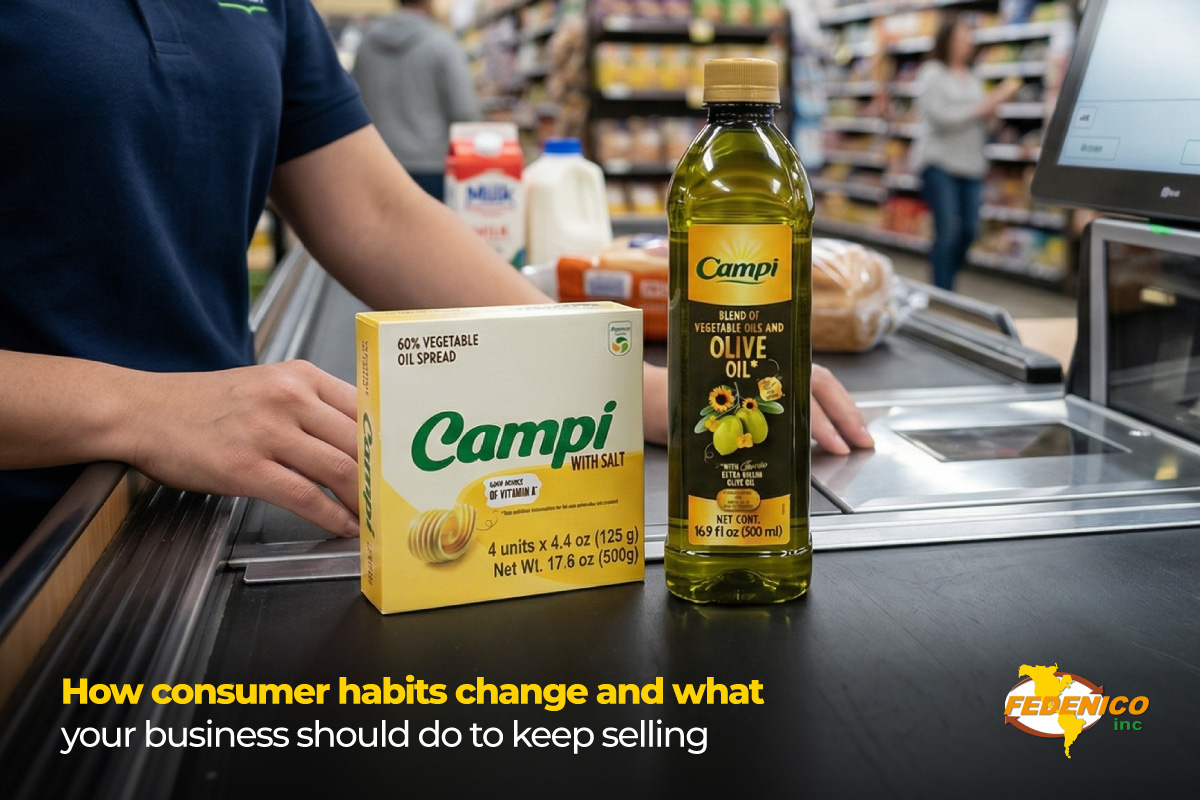
When the Economy Changes, Consumption Changes Too
In any market, economic shifts have a direct impact on how people shop, consume, and prioritize their spending. In the United States, especially within the Latino community, these changes are reflected not only in how much people buy, but also in what they buy, how often, and under what criteria.
During times of economic pressure, consumers become more careful, more selective, and more strategic. Purchase decisions stop being impulsive and start following a logic based on value, necessity, and optimization. For businesses such as grocery stores, supermarkets, and restaurants, this does not necessarily mean a drop in sales, but rather a shift in the types of products that move.
Understanding this behavior is essential. Businesses that adapt to these new patterns do not just survive. They can grow stronger, capture more market share, and build loyalty among customers who are looking for stability in uncertain times.
The Consumer in Times of Crisis: More Rational, Still Active
One of the most common mistakes is assuming that during difficult times people stop consuming. The reality is different. Consumption does not disappear. It transforms.
Customers continue buying, but their priorities shift. They look for products that offer more value for their money, options that last longer, are versatile, and can cover multiple needs. In this context, price remains important, but it is not the only factor. Perceived value becomes critical.
Within the Latino community, this behavior is combined with a strong cultural component. Even during difficult times, people try to maintain certain habits, especially when it comes to food. Food remains a point of connection, a space for gathering, and a way to preserve identity.
This creates an opportunity for businesses to offer products that meet both economic and emotional needs.
Key Changes in Food Consumption Patterns
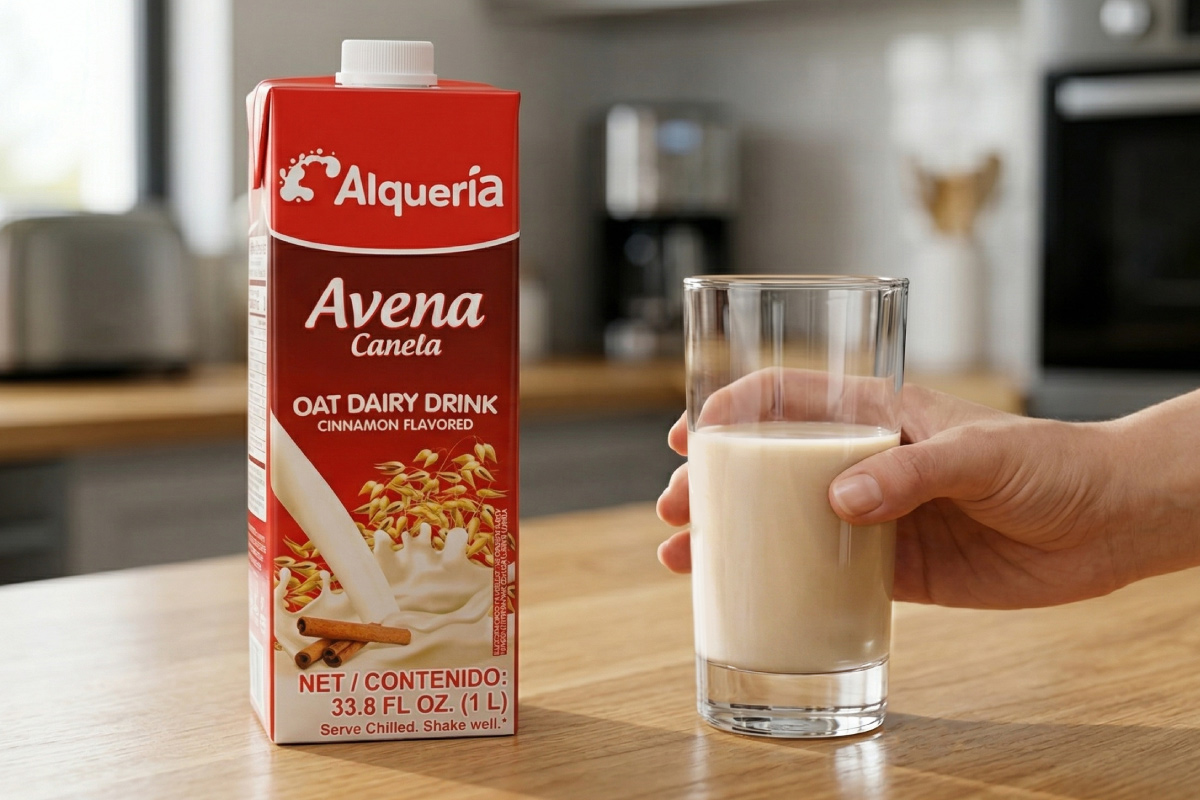
When budgets tighten, the way people eat also changes. These changes are visible and predictable, allowing businesses to anticipate them.
1. Increased At-Home Consumption
One of the first adjustments families make is reducing spending on eating out. This leads to an increase in home cooking.
For businesses, this means higher demand for:
- Basic ingredients
- Products that yield multiple servings
- Options that simplify preparation
Customers are looking for efficiency. They want to cook more with less.
2. Preference for High-Yield Products
In challenging economic times, products that offer greater yield have a clear advantage. It is not just about the price per unit, but the overall value they provide across multiple uses.
Examples include:
- Grains and staple products
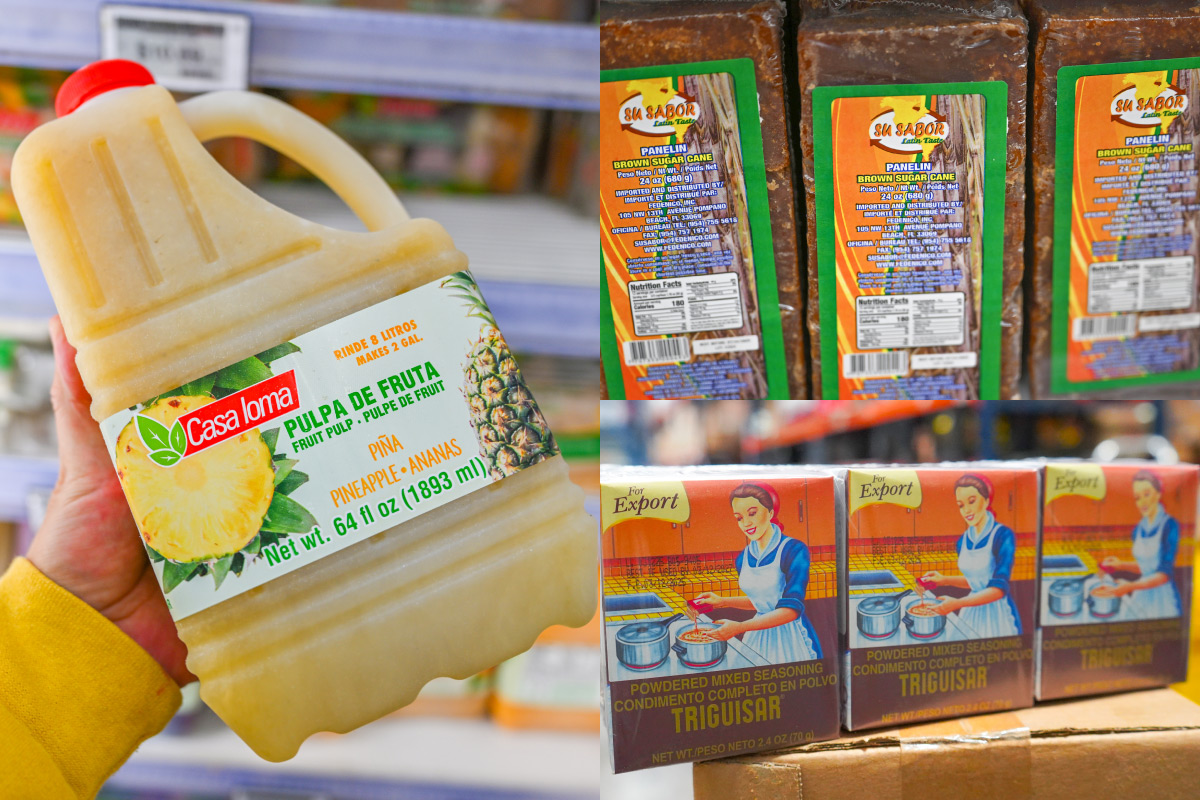
- Fruit pulps for multiple preparations
- Ingredients that can be used in different recipes
These products help consumers optimize their spending without sacrificing quality.
3. Reduced Impulse Buying
Customers become more intentional. Impulse purchases decrease, especially for products that do not have a clear value or immediate use.
This forces businesses to rethink their product offering. It is no longer enough to simply have products available. They must make sense within the customer’s budget.
However, impulse buying does not disappear completely. It becomes more selective. The products that remain in this category tend to:
- Have an affordable price
- Deliver immediate satisfaction
- Be tied to cultural habits
4. Preference for Trusted Brands
During uncertain times, customers reduce risk. They prefer to buy products they already know, brands they trust, and options they know will meet their expectations.
This benefits businesses that carry recognized brands. Familiarity reduces friction in the buying process and makes decision-making easier.
The Role of the Business: Adapt or Lose Relevance
In this environment, the role of a business changes. It is no longer just a point of sale. It becomes a place where customers find solutions.
This means:
- Understanding which products have higher perceived value
- Adjusting inventory based on economic reality
- Prioritizing categories that maintain steady movement
Businesses that fail to adapt risk holding slow-moving inventory, which affects cash flow and operations.
What Products to Prioritize in Difficult Economic Times
To keep sales active, it is essential to identify which products are most likely to move.
High-Demand Essentials
These are core products in daily consumption. They have consistent demand and are not dependent on trends:
- Grains
- Traditional ingredients
- Frequently used products
Versatile Products
Products that can be used in multiple preparations have a clear advantage:
- Fruit pulps
- Cooking bases
- Adaptable ingredients
Affordable Products
Customers look for options that fit their budget. Products with accessible pricing maintain relevance, especially when they offer good yield.
Products with Cultural Value
Latino products continue to play an important role. They represent more than food. They are a connection to identity.
This includes:
- Traditional sweets
- Cultural beverages
- Native ingredients
Restaurants: Adjusting the Menu Without Losing Identity
For restaurants, the challenge is twofold. They must maintain quality and brand identity while adapting to a more cost-conscious customer.
This can be achieved through:
- Ingredient optimization
- Portion control
- Selecting products that simplify operations
Using practical and consistent ingredients helps maintain standards without increasing costs.
Grocery Stores and Supermarkets: Rotation Over Accumulation
For grocery stores and supermarkets, the focus should be on turnover. Having more products does not always mean selling more.
An efficient inventory is one that:
- Moves consistently
- Responds to real demand
- Avoids stagnation
This requires constant analysis and strategic product selection.
Fedenico: A Key Partner in Critical Moments
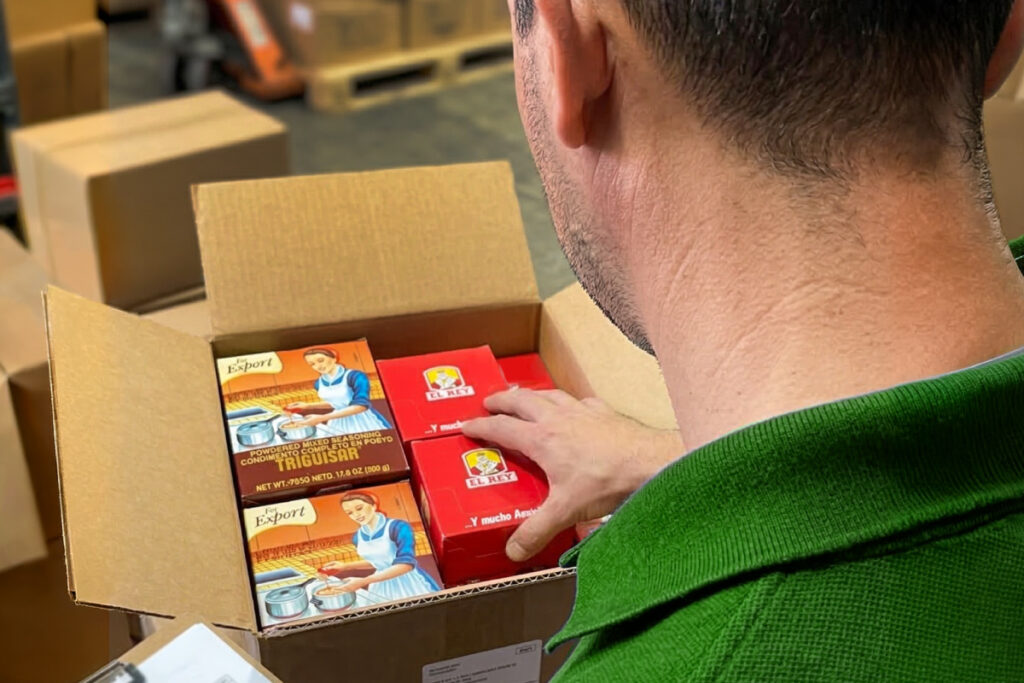
In challenging economic environments, having a reliable supplier is more important than ever.
At Fedenico, we focus on providing:
- High-turnover products
- Recognized brands
- A wide catalog in one place
- Organized distribution
Our goal is to simplify operations for businesses, allowing them to adapt to market changes without added complexity.
Turning Challenges Into Opportunities
Difficult economic times do not eliminate consumption. They reshape it.
Businesses that understand this transformation can:
- Adjust their product offering
- Improve inventory turnover
- Strengthen customer relationships
Instead of seeing the situation as a limitation, they can use it as an opportunity to optimize operations and position themselves more effectively in the market.
Sell Smarter, Not More
In times of uncertainty, the focus must shift. It is not about selling more products. It is about selling the right products.
Customers are still buying. The difference lies in what they are looking for.
Businesses that respond to that demand are the ones that remain relevant.